
In 31 Countries, Women Face Significantly Higher Rates of Severe Food Insecurity – Structural Inequality Is the Root Cause
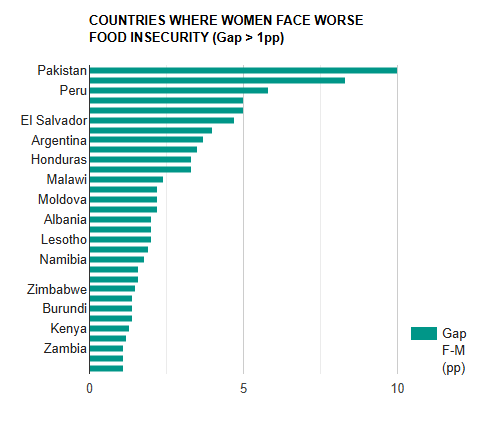
In 31 countries, women face severe food insecurity at significantly higher rates than men, with Pakistan recording the starkest gap: women at 15.1% versus men at just 5.1%, a 10 percentage-point divide driven by patriarchal systems that restrict women’s income and mobility.
From Afghanistan to Haiti to Kenya, the pattern is consistent: gender inequality is a food insecurity multiplier.
Only 8 Countries Are in Food Crisis – But Together They Hold Hundreds of Millions Trapped at the Edge of Survival
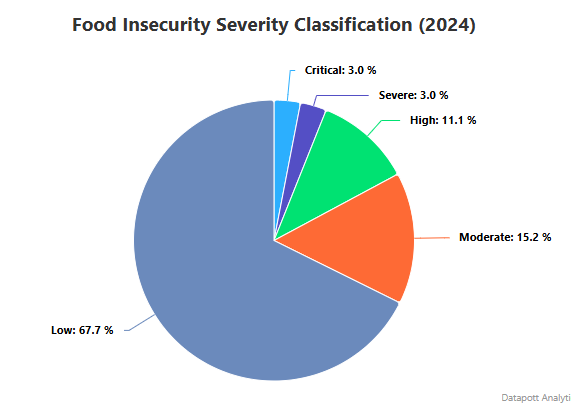
Of 126 countries assessed, just 8 (only 6%) are classified in the Critical or Severe tier, yet their populations number in the hundreds of millions and their food insecurity rates range from 30% to 63%, representing the most acute humanitarian food emergency on earth today.
1 in 10 People Worldwide Cannot Access Enough Food; and in South Sudan, 63% are Severely Food Insecure
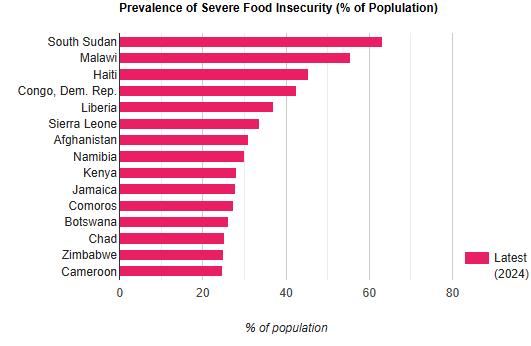
The global mean rate of severe food insecurity has climbed from 7.8% in 2016 to 10.0% in 2024, with 41 countries now above 10%, a crisis driven by conflict, climate shocks, and a COVID-19 reversal that wiped out years of progress in a single year.
Kenya’s Diaspora Remittances
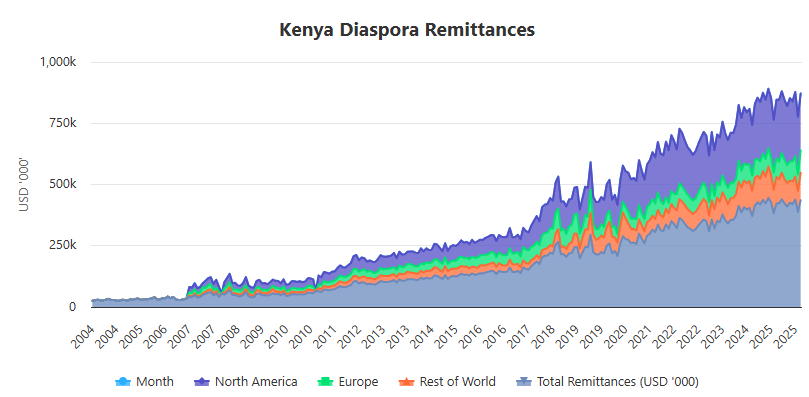
With record-breaking inflows now accounting for 4% of GDP, how is the global Kenyan family single-handedly anchoring the nation’s foreign exchange reserves and household resilience?
Kenya Domestic Debt by Instrument
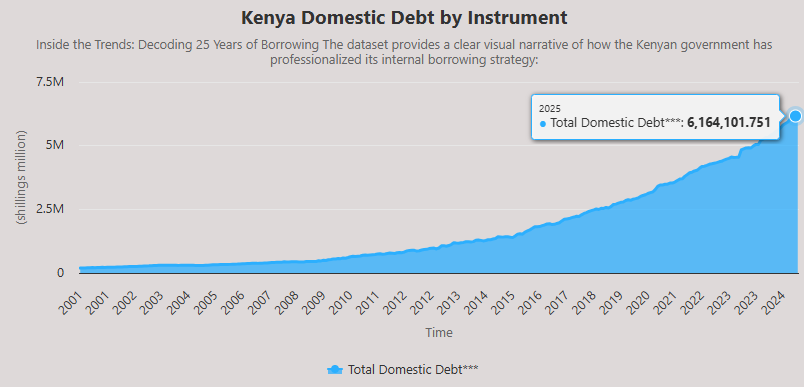
As Kenya’s domestic debt climbs past the 6 trillion shilling mark, how has the composition of government borrowing shifted, and what does the move toward long-term bonds reveal about the nation’s fiscal maturity?
Kenyas Inflation Rates Trends
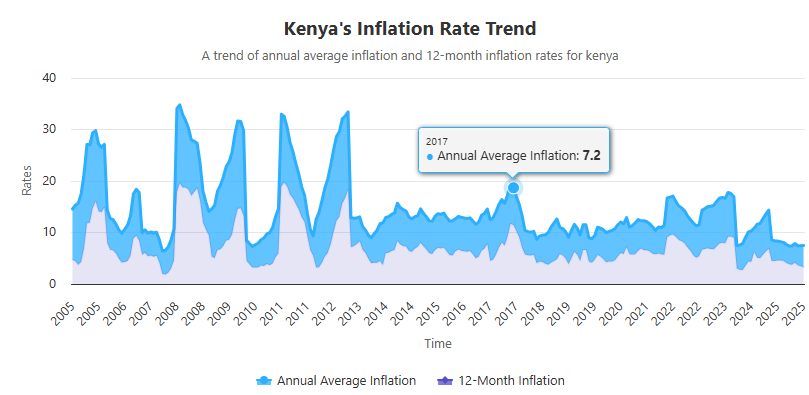
From a mid-year low of 3.6% to a steady close at 4.5%, Kenya’s 2025 inflation data tells a story of successful taming. We break down how the Central Bank kept prices in check and what this “new normal” means for your pocket in 2026
Kenyas Annual GDP Growth (%)
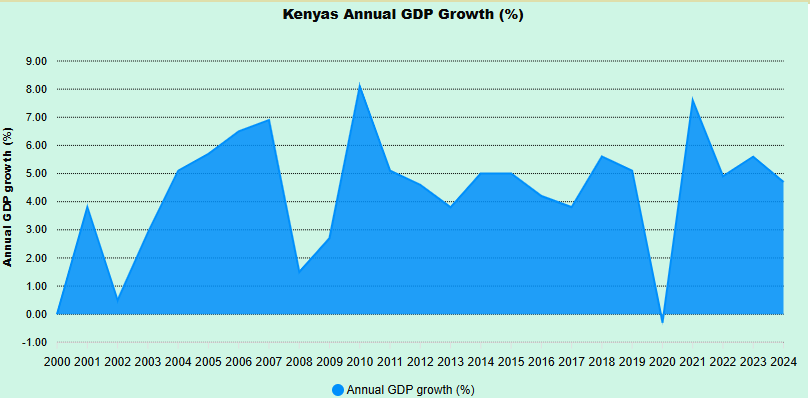
From Volatility to Stability: Tracking the Resilience of East Africa’s Leading Economy Through Post-Pandemic Recovery and Beyond
Kenya’s Ksh 16 Trillion Economy
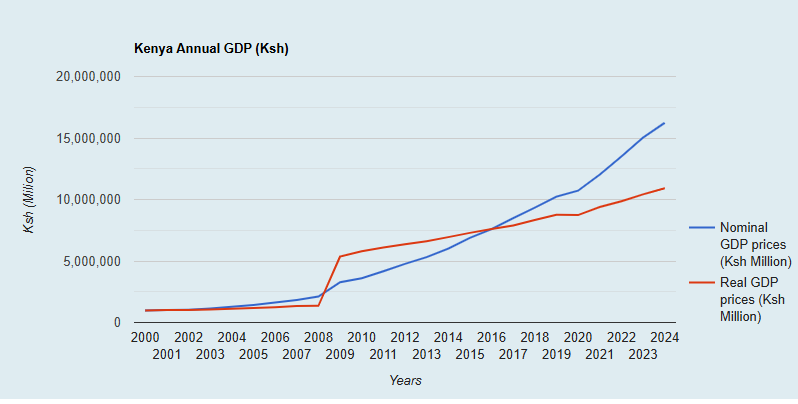
While global headlines focus on currency fluctuations, Kenya’s domestic economy tells a story of persistent expansion. With Nominal GDP now surpassing the 16 trillion shilling mark, is the nation successfully balancing growth with stability, or are we seeing the effects of inflationary pressure?
Asia Alone Produces a Third of the World’s CO₂, And Has Emitted Nearly 900 Billion Tonnes Historically
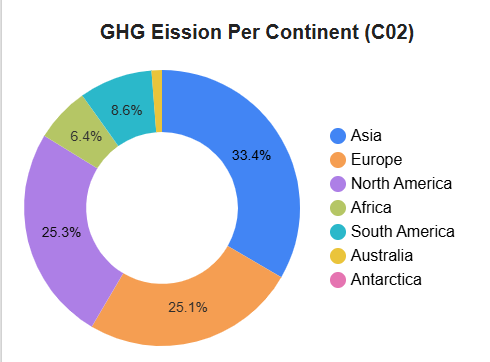
Asia accounts for 33.4% of annual global CO₂ emissions and has accumulated 899 billion tonnes historically, more than North America and Europe combined. Across all three greenhouse gases, CO₂, methane, and nitrous oxide, one pattern is unmistakable: Asia leads, and the gap is widening.
East Africa’s Economic Ascent: A Comparative Look at Regional GDP
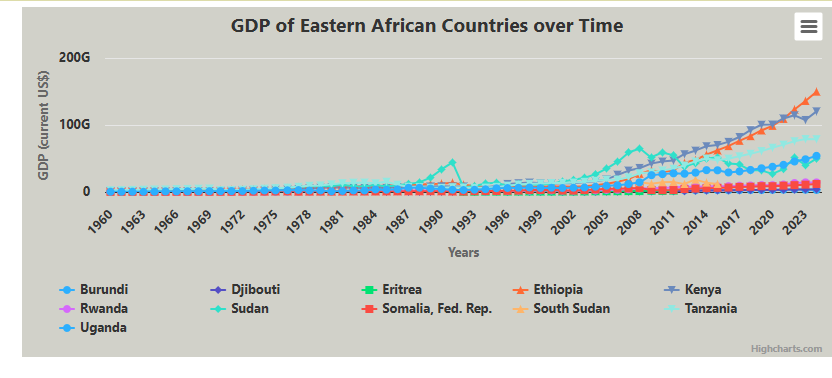
Is East Africa becoming the continent’s primary engine of growth? While global markets fluctuate, the East African corridor continues to show remarkable resilience—but how do individual nations truly compare when we look at the raw data?